

In a world where your “For You Page” can teach you how to contour, cook a five-minute meal, diagnose your emotional issues, and inspire your next life epiphany—all before breakfast—Gen Z has turned social media into both a classroom and a cultural compass. TikTok trends, Instagram aesthetics, and YouTube rabbit holes have a unique power: they shape not only how we dress or talk but how we think about identity, community, and personal well-being.
But beyond the memes and microtrends lies something deeper. Gen Z is redefining lifestyle around values like authenticity, sustainability, mental wellness, and intentionality. This guide explores how a generation raised online is moving toward a more conscious way of living—while still embracing the creativity and chaos of digital culture.
1. Digital Culture as a Mirror of Identity
For Gen Z, digital spaces are more than entertainment—they’re extensions of identity. TikTok drives this cultural shift because it prioritizes personality over polish. You don’t need perfect lighting or a curated feed; you just need something to say.
This openness has made self-expression more fluid. Fashion becomes a mood-based experiment rather than a strict aesthetic. Millions try on identities—cottagecore one month, gamer streetwear the next—not to “fake it” but to explore who they might be.
Conscious living takeaway: Treat your online presence as a sandbox, not a performance. Use digital spaces to discover what resonates instead of forcing yourself into an aesthetic for the algorithm.
2. The Rise of Micro-Mindfulness
Meditation apps and guided breathing videos are great, but Gen Z’s mindfulness movement is less about sitting still and more about integrating small, meaningful pauses into daily life.
Think:
- Five-minute journal prompts found on TikTok
- “Silent vlogs” showcasing calm, slow mornings
- ASMR cleaning videos that make tidying feel therapeutic
- Pomodoro study streams that turn productivity into a community ritual
These micro-moments normalize checking in with yourself throughout the day instead of hitting burnout and fixing it after the fact.
Conscious living takeaway: Replace “I don’t have time for mindfulness” with “I’ll take 60 seconds.” The practice grows naturally from there.
3. Sustainability That’s Actually Attainable
Gen Z is often portrayed as the climate-anxious generation—and for good reason. But instead of bowing under pressure, many young people channel that anxiety into realistic action.
Sustainable living no longer means perfection (zero waste everything, no emissions, flawless ethics). Instead, the focus is on progress:
- Thrifting instead of fast fashion hauls
- Repairing electronics rather than replacing them
- Choosing plant-based meals a few days a week
- Supporting small, local, or transparent brands
- Using what you already have instead of buying a sustainable “replacement”
- Opting for vapes instead of traditional cigarettes to reduce personal carbon and waste impact
On TikTok, “low-waste” content creators emphasize that small shifts still matter. The goal isn’t to be the most eco-friendly person in the room—it’s to avoid burnout and build habits that last.
Conscious living takeaway: Sustainability isn’t a competition. Choose the low-impact changes that feel doable, not the ones that get the most likes.
4. Mental Health: From Taboo to Team Effort
Gen Z has made mental health mainstream—one TikTok trend at a time. Short videos about boundaries, attachment styles, neurodivergence, or self-soothing techniques have helped normalize conversations older generations kept behind closed doors.
Still, the rise in “therapy speak” can be overwhelming. Terms like gaslighting, trauma bonding, and love bombing are widely used (and sometimes misused). This is where conscious living kicks in: self-awareness over self-diagnosis, and professional support over algorithmic advice.
Conscious living takeaway:
Use social media as a starting point, not an ending point. Let it spark reflection—but ground your mental well-being in real conversations, real connections, and qualified support.
5. Redefining Success and Productivity
For Gen Z, the traditional path—degree, corporate ladder, retirement—is no longer the default dream. Flexible work, side hustles, passion-driven careers, and financial independence strategies (like FIRE or digital freelancing) reshape what “success” means.
Even productivity trends reflect this shift:
- “Soft life” promotes ease over constant grinding
- “Bare minimum Mondays” push back against workaholic culture
- “Quiet quitting” reframed boundaries as empowerment
- Online creators build entire incomes from digital creativity
This generation isn’t lazy—they’re rejecting outdated systems that demand constant output with little purpose.
Conscious living takeaway: Success isn’t measured by hours worked. Design a lifestyle that leaves room for joy, rest, and personal growth.
6. Community as Self-Care
Algorithms may connect us, but it’s the communities formed around shared interests—gaming, books, crafts, activism, fandoms—that sustain us. Gen Z transforms online connection into real impact: collective fundraisers, mutual aid, study groups, and even group healing spaces.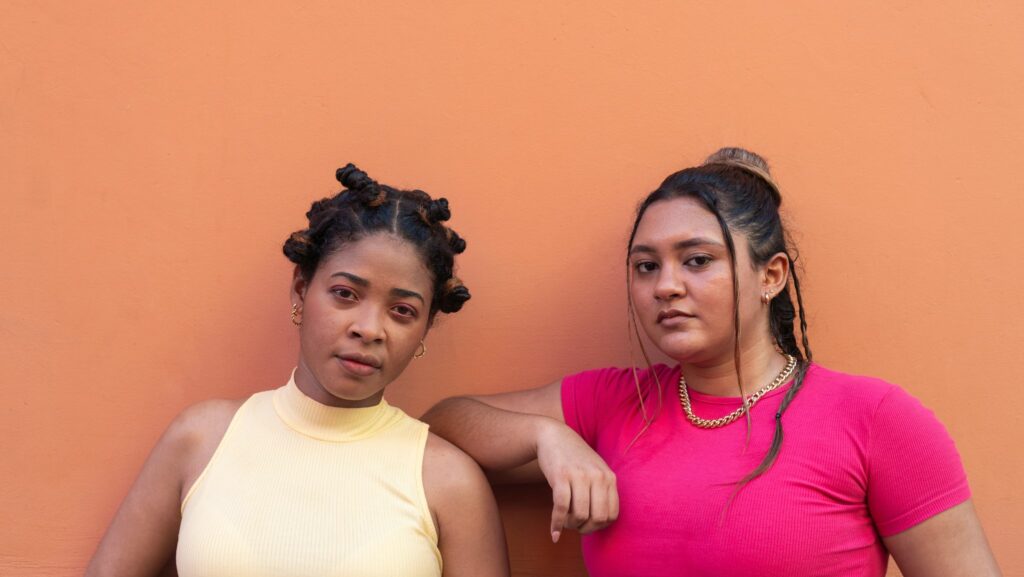
This sense of belonging is a quiet antidote to the loneliness epidemic.
Conscious living takeaway: Seek out communities where you feel seen, not judged. Digital friendships are real friendships.
Final Thoughts: Living With Intention in a Digital World
Gen Z’s lifestyle isn’t about rejecting the digital age—it’s about wielding it consciously. Social media remains a playground, a megaphone, a mood board, and a support system. But beneath the trends lies a deeper movement: one toward authenticity, balance, meaningful choices, and a life aligned with personal values.
From TikTok to real life, conscious living isn’t a trend—it’s the journey.